
Activating software, especially widely used productivity suites like Microsoft Office, requires a careful balance between compliance with licensing agreements and maintaining functionality. The tools and methods used to manage these activations, such as an office 2016 activator, play a crucial role in this process. Understanding the intricacies of how these tools work and their proper application can greatly enhance user experience while ensuring legal use.
Understanding the Role of an Office 2016 Activator
The office 2016 activator is a tool designed to help users activate their Microsoft Office 2016 installations. This process ensures that the software can be used legitimately and fully for its intended purposes. It is critical to understand that the use of unauthorized activation tools can breach Microsoft’s licensing terms, leading to potential legal consequences. For organizations, the ramifications of non-compliance can result in significant financial penalties and tarnish reputation, emphasizing the importance of using authorized methods.
Moreover, understanding how an office 2016 activator functions can provide insight into not only activation but also how licensing structures are built within Microsoft’s ecosystem. These activators often bridge the gap between complex licensing protocols and end-user accessibility, making it easier for both individuals and businesses to manage their software assets efficiently.
Differences Between Office 2016 Activator and Office 2019 Activator
While the terms “office 2016 activator” and “office 2019 activator” might seem similar, they target different versions of Microsoft Office. These tools are specifically tailored to interact with the unique licensing frameworks of each Office version. Using the correct activator is essential for effective activation without infringing on software agreements. Each version of Office may have distinct features and improvements, which are supported by specific licensing requirements that must be adhered to for legal compliance.
The distinction between these activators underscores the necessity for users to remain informed about which version of Office they are using and ensure they select the appropriate tool. As software evolves, so do its security measures and licensing intricacies, making it imperative that users keep up-to-date with any changes or updates in activation technologies.
Methods of Activation: KMS vs. MAK
KMS activation method is commonly used in organizational settings where multiple systems require activation without individual product keys. Known for its efficiency, this method utilizes a key management service (KMS) server that centrally manages licensing. In contrast, the Multiple Activation Key (MAK) approach involves activating each system individually through Microsoft’s servers using unique license keys. Each method has its own set of benefits and limitations depending on organizational needs and infrastructure capabilities.
KMS is favored for its seamless integration into large-scale IT environments, reducing administrative overhead by automating license management across numerous devices. Conversely, MAK suits smaller setups or scenarios where individual control over each license instance is preferable.
Utilizing KMS Tools Like KMSpico
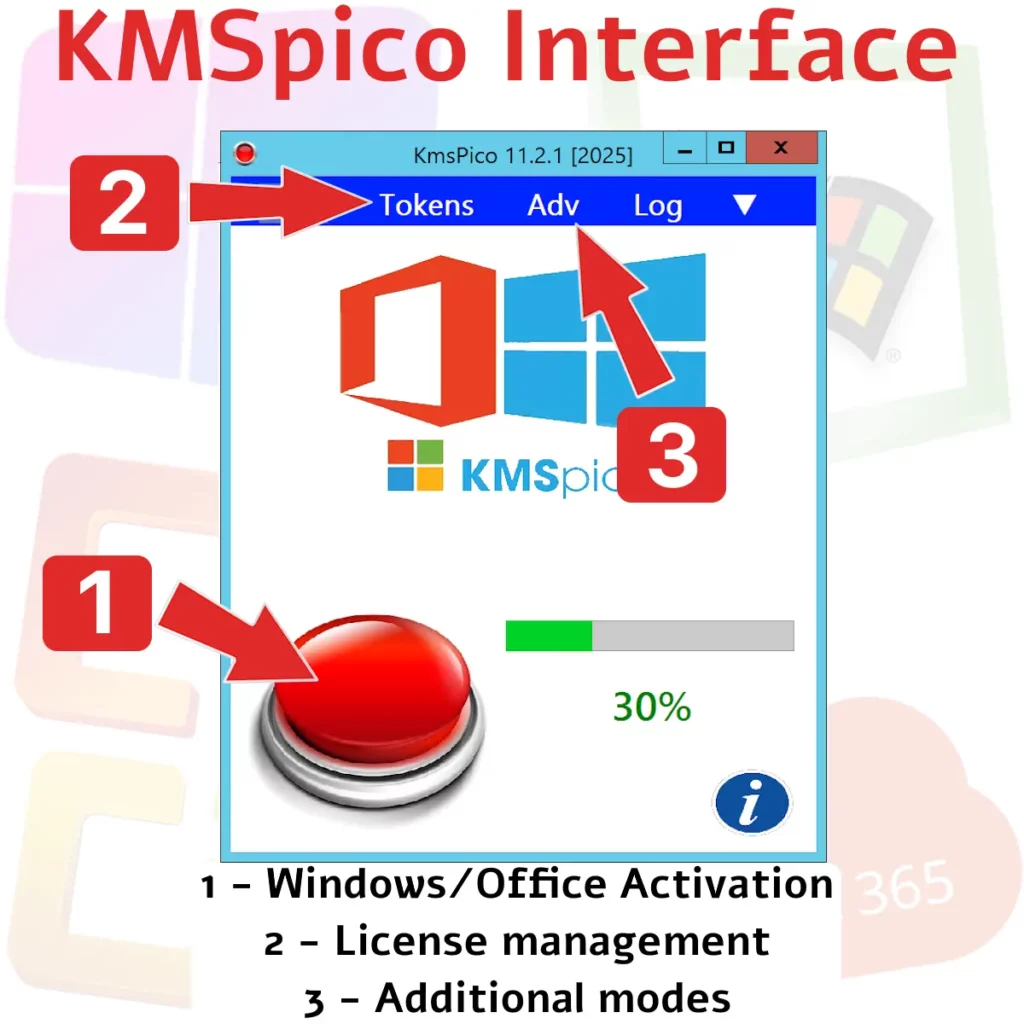
Tools like kmspico office 2016 are popular for their ability to automate the KMS activation process. These tools simplify the activation of both Windows and Office products by emulating a KMS server locally. While advantageous for ease of use, it’s important to ensure that such tools are compliant with licensing terms to avoid inadvertent violations. Organizations should weigh these benefits against potential risks associated with third-party software.
The convenience offered by such tools cannot be overstated; however, users must maintain vigilance regarding security updates and best practices in using these utilities to prevent any compromise in system integrity or breach of legal agreements.
The Importance of Compliance in Software Licensing
Compliance with software licensing agreements is essential for businesses and individuals alike. Using unauthorized office activator tools can lead to significant risks including legal action and financial penalties. Ensuring compliance not only protects against these risks but also supports ethical use of software. Adhering to license agreements reflects corporate responsibility and sets a precedent for respecting intellectual property rights within professional settings.
Comparison
| Aspect | Legal Activator | Illegal Activator |
|---|---|---|
| Source | Official Microsoft Channels | Unauthorized Third-Party Sites |
| Security | Secure and Verified | Risk of Malware/Spyware |
| Support | Full Customer Support | No Support Available |
| Updates | Automatic and Regular | No Automatic Updates |
| Legal Status | Compliant with EULA | Violation of EULA |
Furthermore, compliance fosters trust between users and software developers, ensuring continued support and updates from vendors like Microsoft. This relationship is vital in maintaining secure operations as technology landscapes evolve rapidly.
Challenges Faced in Using Activation Tools
One common challenge when using an office 2016 activator is compatibility with existing security measures within IT infrastructures. Users must ensure that their systems meet specific requirements, such as running Windows 10 or higher, and have adequate resources (e.g., VM with 2 vCPUs and 4 GB RAM) to support smooth activation processes. Failure to align these factors can lead to unsuccessful activations or disruptions in workflow efficiency.
Additionally, navigating corporate firewalls or network restrictions may present obstacles during activation attempts; thus necessitating collaboration between IT departments and end-users to achieve successful implementation without compromising security protocols.
Command Line Activation: SLMGR.VBS
For more advanced users, command-line options like SLMGR.VBS offer granular control over software activation. This built-in Windows script allows for detailed management of product keys and license status directly from the command line, providing an alternative method for those comfortable in a command shell environment. Command-line proficiency enables users to execute precise actions swiftly while bypassing graphical user interfaces.
This approach benefits power users who require flexibility in managing multiple licenses across diverse environments or need rapid responses during troubleshooting scenarios where traditional methods fall short.
Snapshot Management Before Activation
Implementing proper snapshot management (e.g., taking snapshots before applying changes) in virtual environments ensures that users can revert any unfavorable outcomes during software activation without data loss or extended downtime. Snapshots act as safety nets allowing restoration points that preserve system integrity amidst unforeseen complications during activation processes.
This practice not only facilitates smoother transitions but also empowers risk mitigation strategies essential for sustaining operational continuity across dynamic IT landscapes prone to frequent updates or configuration shifts.
The Future of Software Activation Tools
As Microsoft continues to evolve its software offerings, new challenges and solutions will emerge around software activation. The transition from perpetual licenses to subscription models necessitates ongoing adaptation in how activators function within ever-changing licensing frameworks. Organizations must stay vigilant about industry trends impacting deployment strategies while leveraging innovative solutions aligned with evolving business objectives.
Navigating Evolving Licensing Landscapes
The increasing shift towards cloud-based services demands that organizations stay informed about licensing changes affecting both on-premises and cloud subscriptions. Understanding how tools like activator windows 10 align with these shifts can provide competitive advantage while ensuring compliance remains intact.
A proactive approach involving regular audits coupled with continuous training initiatives equips stakeholders at all levels—from administrators managing deployments down through end-users interfacing daily—with knowledge critical towards meeting strategic goals effectively under fluctuating regulations governing digital ecosystems worldwide.
In summary, balancing compliance with functionality when activating Microsoft Office products calls for a deep understanding of licensing terms and available tools such as an office 2016 activator. By staying informed about the latest developments and maintaining ethical practices, users can enjoy full software functionality while adhering to legal standards.